Surgical procedures

Procedures and operations

Prof. Mohammad Abu Hilal offers specialist expertise across a wide range of liver, pancreatic, biliary and gastrointestinal operations, with a particular focus on minimally invasive, laparoscopic and robotic surgery. The most suitable surgical technique is chosen for each patient according to the nature of the disease, the complexity of the case and the patient’s general health, after a thorough assessment within a multidisciplinary team when needed.

Specialties

Areas of surgical expertise

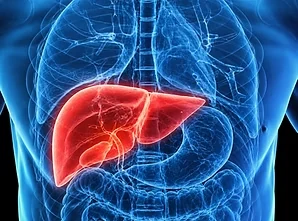
Liver surgery

Liver surgery

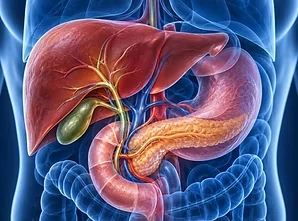
Prof. Abu Hilal has extensive experience in treating liver diseases and tumours, including:

  • Removal of benign and malignant liver tumours.
  • Laparoscopic liver resection.
  • Robotic liver resection.
  • Minimally invasive surgery for liver tumours.
  • Treatment and removal of liver cysts.
  • Major and complex liver resections.
Pancreatic surgery

Pancreatic surgery

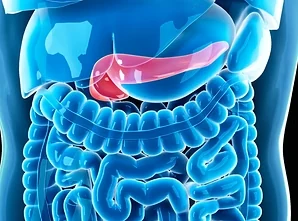
Pancreatic surgery includes some of the most complex operations in surgery. Prof. Abu Hilal offers advanced surgical treatment for benign and malignant conditions, including:

  • Removal of pancreatic tumours.
  • Laparoscopic pancreatic surgery.
  • Robotic pancreatic resection.
  • Minimally invasive pancreatic surgery.
  • Bypass operations for bowel or bile duct obstruction caused by pancreatic tumours.
  • Laparoscopic or open bypass surgery when needed.
  • Treatment of complications of acute and chronic pancreatitis.
  • Removal of dead (necrotic) tissue in acute pancreatitis.
  • Drainage of pancreatic abscesses.
  • Drainage of pancreatic cysts into the stomach or small bowel.
Multi-organ liver and pancreatic surgery

Multi-organ liver & pancreatic surgery

In some complex cases, a tumour may extend to more than one organ or to the surrounding tissues. Expertise includes:

  • Extended multi-organ resections.
  • Resections involving the pancreas and neighbouring organs.
  • Complex surgery for advanced tumours, after review by a multidisciplinary team.
Colorectal surgery

Colorectal surgery

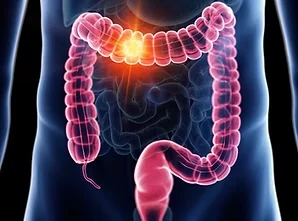
Prof. Abu Hilal offers surgical treatment for benign and malignant conditions of the colon and rectum, including:

  • Laparoscopic removal of colon tumours.
  • Robotic removal of colon tumours.
  • Laparoscopic and robotic removal of rectal tumours.
  • Removal of parts of the colon and rectum for benign disease.
  • Treatment of complex conditions such as diverticular disease and endometriosis affecting the bowel.
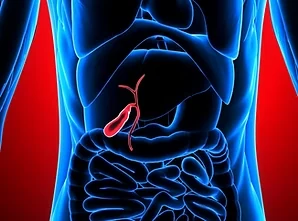
Gallbladder and bile duct surgery

Gallbladder & bile duct surgery

Gallbladder and bile duct surgery includes:

  • Laparoscopic gallbladder removal (cholecystectomy).
  • Bile duct exploration and stone removal.
  • Removal of bile duct tumours.
  • Removal of gallbladder tumours.
  • Laparoscopic bile duct resection and reconstruction.
  • Open bile duct repair and reconstruction.
  • Minimally invasive surgery for gallbladder and bile duct disease.
Gastric surgery

Gastric surgery

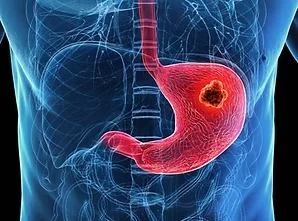
Gastric (stomach) surgery includes:

  • Partial gastrectomy for tumours.
  • Total gastrectomy for tumours.
  • Laparoscopic gastric resection.
  • Robotic gastric resection.
  • Minimally invasive gastric surgery for benign conditions.
General surgery

General surgery

  • Hernia repair (inguinal, umbilical, ventral and incisional).
  • Laparoscopic removal of the spleen (splenectomy).
  • Removal of superficial lipomas.
Minimally invasive surgery

Laparoscopic and robotic surgery

Minimally invasive surgery is central to Prof. Abu Hilal’s surgical practice. Depending on the case, many operations can be performed using:

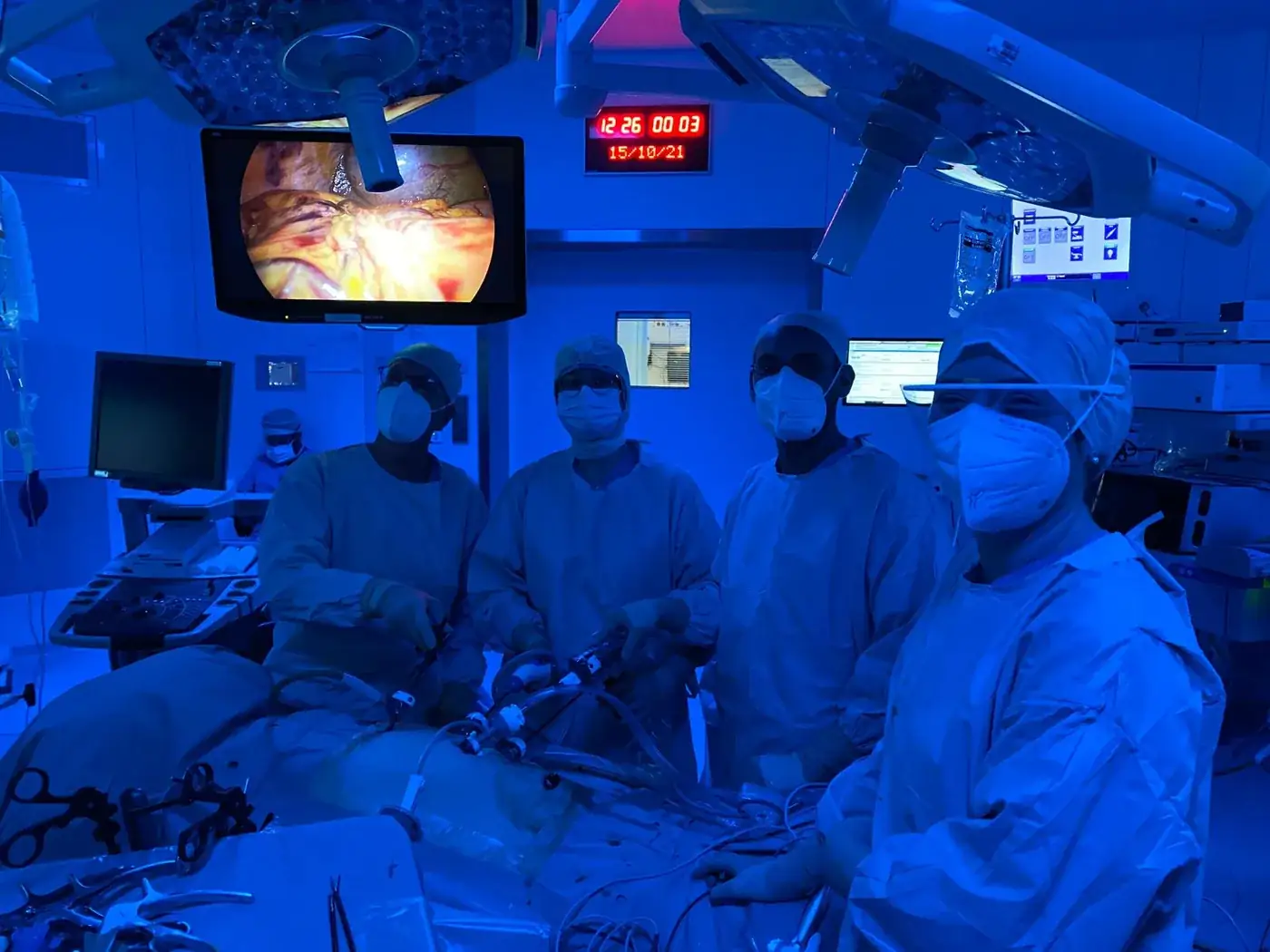
Prof. Mohammad Abu Hilal and his surgical team during a laparoscopic operation

Laparoscopic surgery

Techniques that use small incisions and specialised instruments, to reduce pain, speed up recovery and shorten the hospital stay.

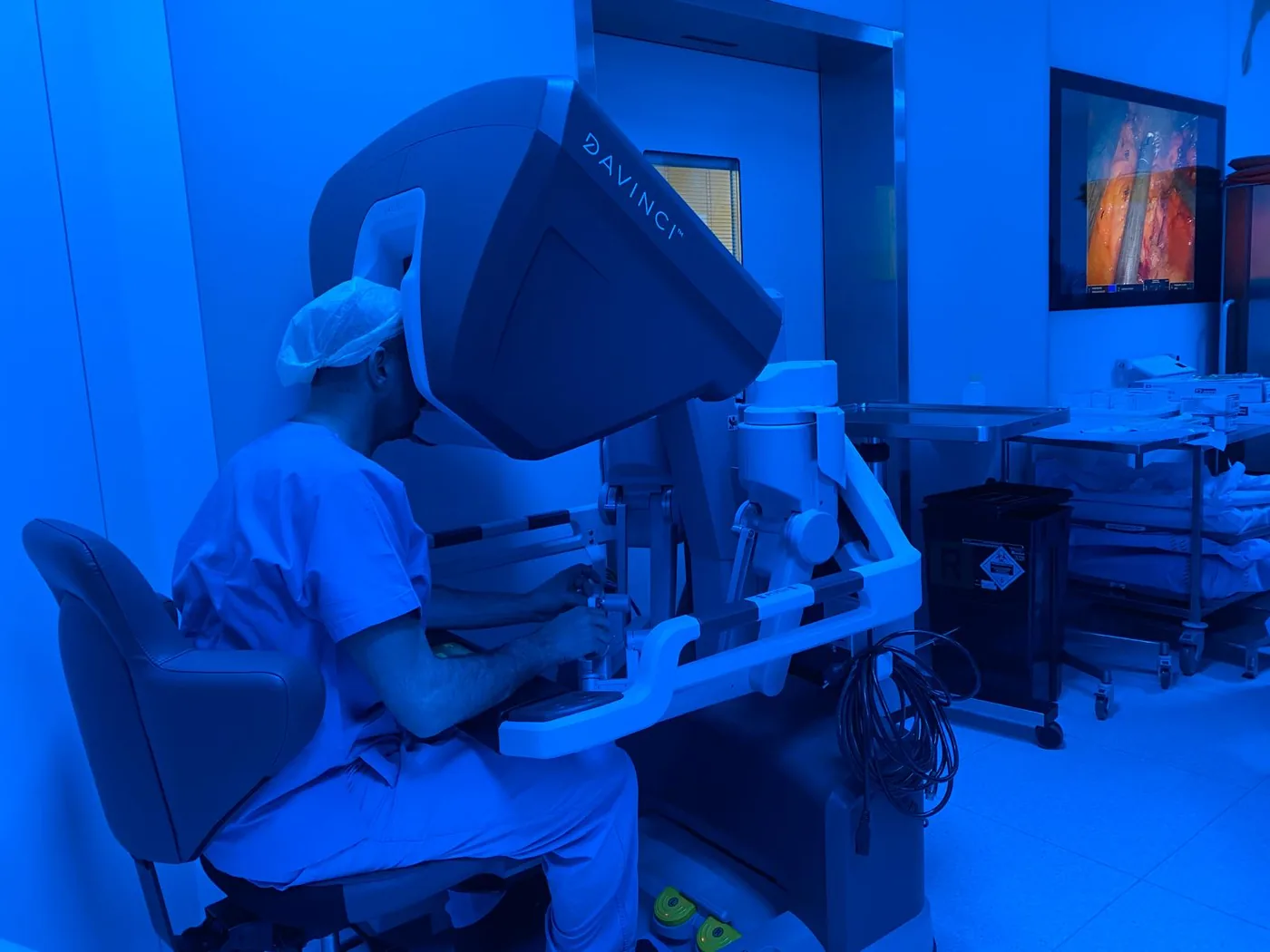
Prof. Mohammad Abu Hilal at the console of the da Vinci robotic surgical system

Robotic surgery

An advanced technique that lets the surgeon perform precise, complex operations using a specialised robotic system – especially useful where high precision and fine manoeuvring are needed in confined anatomical areas.

Whether laparoscopic or robotic surgery is suitable is decided for each case after assessing the patient and the disease, always putting safety and the best possible outcome first.